

TALENT TALKS - Lucy Ducker
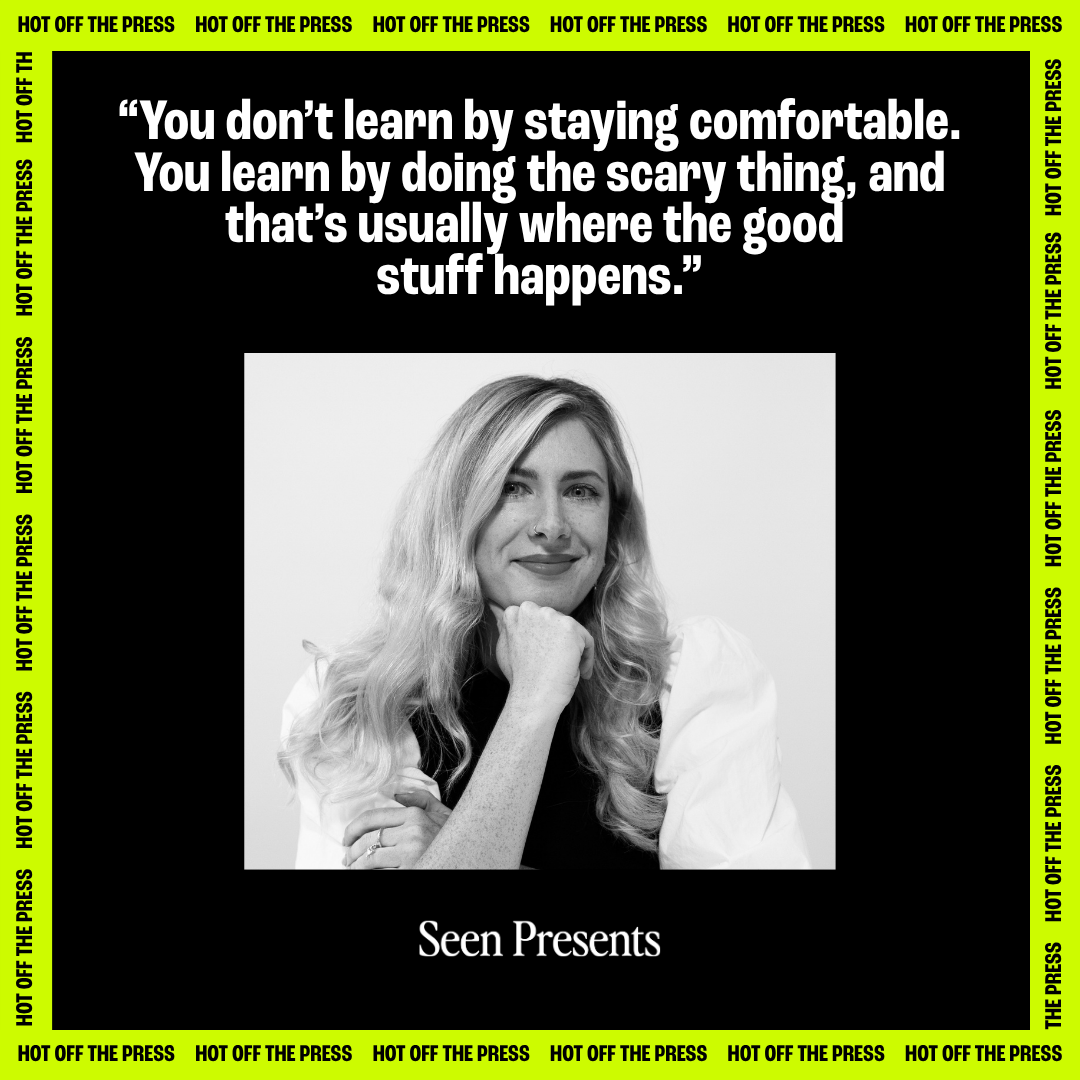
From architecture to events, Lucy’s career has been shaped by curiosity, collaboration and a love of bringing ideas to life. In our conversation she reflects on the importance of storytelling, the standout projects she’s worked on at Seen Presents, and the lessons that have helped her grow as a creative leader.
AM
Thanks again Lucy for taking the time to chat with me today! Can you tell me about your career path and how you got to where you are today?
LD
My route into the industry was a little unconventional. I studied architecture at university, but I honestly went into it as if it were a design degree. I knew I loved art, design, history and buildings, but by the end of the three years I knew I didn’t want to be an architect. Quite the opposite, really.
I went back home after uni and wasn’t sure what I was going to do next, but then a friend of mine told me about a role in Formula One hospitality. He said they were looking for designers, and I thought, why not? I went for the interview, really got on with the team, and started as a junior designer creating hospitality suites for Formula One brands.
What was funny is that so much of what I’d learned at university - plans, elevations, visuals - I was suddenly using every day, just in a completely different context. I’d never really thought about events or branded experiences before that, but once I got into it, I loved the pace, the variety and the chance to work with different brands and stories all the time.
Architecture gave me a really strong foundation in conceptual thinking, storytelling and narrative, and I use that all the time now. I think with architecture you’re always thinking about the journey - what people feel and experience step by step - and that translates brilliantly into events and spatial work.
Even if you’re not the one physically building something, that mindset around how people move through an idea, a space or an experience is so valuable. It’s probably where I feel strongest now - in the conception, the ideating, and unpicking the brand before you even start making decisions visually.
AM
I can imagine how special it must feel watching people experience something you have been working on for months! How did your career progress after starting at Formula One?
LD
I stayed at Formula One for three years, and I’m incredibly grateful to them. They gave me so much freedom as a junior designer and really encouraged me to trust my instincts. After that I moved to London because I wanted to be around other designers and be part of a more design-led city.
I joined Imagination for a couple of years and then moved to Design Scene, where I was for eight years. That was a really formative chapter for me. They sent me on site all the time, so I wasn’t just designing something and leaving it there - I was actually seeing it being built and brought to life.
There’s something incredibly satisfying about that. It’s a bit like gardening, in a way - you design something, nurture it, and then suddenly it exists in the world. That physical process, and the joy of seeing a project come to fruition, is still one of the best parts of the job for me. I then joined Seen Presents, which was so exciting. I’d actually known Louisa, our MD, from Design Scene, and I’d also worked with another ACD who’s now at Seen Presents, so there were familiar faces there already. I knew Seen Presents was growing, and after eight years at Design Scene it felt like the right time for a new challenge.
I moved from Design Scene as a Design Director to Seen Presents as Associate Creative Director, and I’ve now been here two years. What I’ve loved is the chance to work with new brands and different kinds of briefs, while still staying in a world I really care about.
AM
That must have been so nice coming back together with so many familiar faces and continue working on so many great projects. Since joining, have there been any standout projects for you?
LD
Netflix, definitely. I’ve worked on two Netflix upfronts since joining, and those have been incredible. An upfront is essentially a presentation to advertisers, where Netflix showcases why they should invest in them.
They put a huge amount of time and effort into it and they also involve a lot of their talent, so you’re collaborating with celebrities and creative teams to make the whole thing feel exciting but also tangible. It’s been amazing, and definitely pushed me outside my comfort zone, because it’s not just about creating a branded physical experience - it can also involve writing shows and building the whole creative story around them.
We’ve also been working with Pinterest, which has been brilliant in a different way. Their world is so trend driven and visually exciting, so it’s a completely different creative energy. I love that the work can swing between different aesthetics and different challenges.