

What can the ad industry learn from psychologists?
WPP's chief executive, Cindy Rose, has brought in psychologist Dr Michael Gervais to boost the company's morale.
Clockwise from top left: Marc Nohr, Julian Douglas, Louisa O'Connor, Mark Evans, Gerry Anyanwu, Sue Todd, Kathleen Saxton and Richard Shotton
As of April 2026, WPP is host to a psychologist-in-residence, Dr Michael Gervais, in a bid to boost the company's morale.
The company made consecutive downgrades to its growth forecast in 2025 and most recently reported a 6.7% decline in revenue less pass-through costs to £2.26bn in Q1 2026.
It might seem an unconventional route to take for WPP chief executive Cindy Rose, but speaking to Campaign in February she said: "We want to create a high-performance culture where people can really thrive and be at their best [...] I don't think as a holding company WPP had a culture.
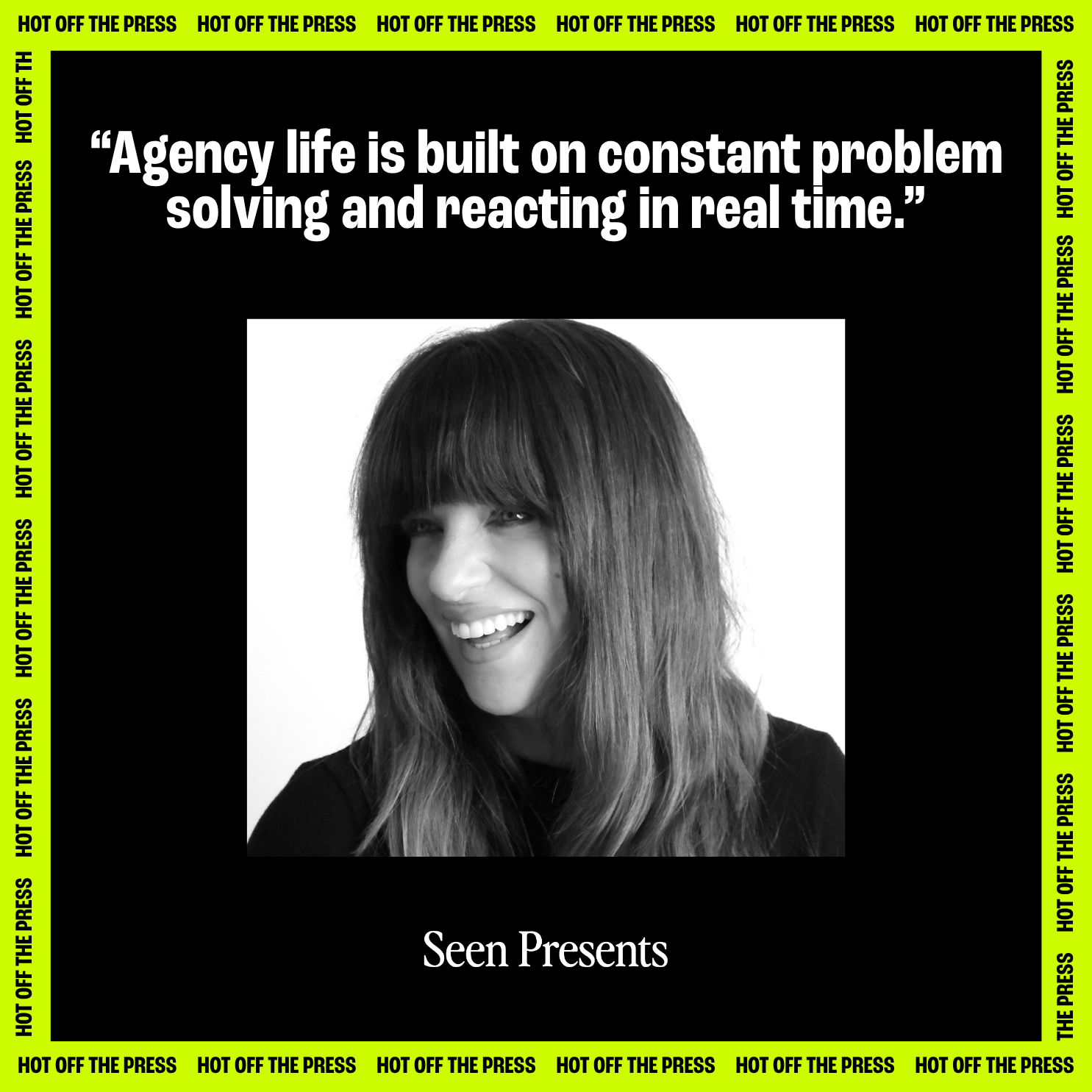
Louisa O'Connor, Managing director and founder, Seen Presents:
I have mixed thoughts on this. I know that in sport, for example, having a psychologist work with a team can be transformational – unlocking hidden potential and breaking down barriers you didn’t even know existed.
But sports teams are smaller, and inevitably easier to penetrate on a personal level. As an experiential leader, I struggle to see how this translates across the moving parts of a large agency, particularly in an industry built on constant problem-solving, quick decision-making and teams reacting in real time.
I like the out-of-the-box thinking, but I wonder whether a more human approach – asking the hard questions and having honest conversations with those on the ground – would be more effective.