


We caught up with Hazel, one of our Midweight Designers, to explore what it takes to bring fictional worlds to life beyond the screen. Having worked on experiences for entertainment brands including Netflix and Hulu, Hazel shares her perspective on designing for fandom, translating emotion into physical spaces and creating experiences that resonate with audiences.
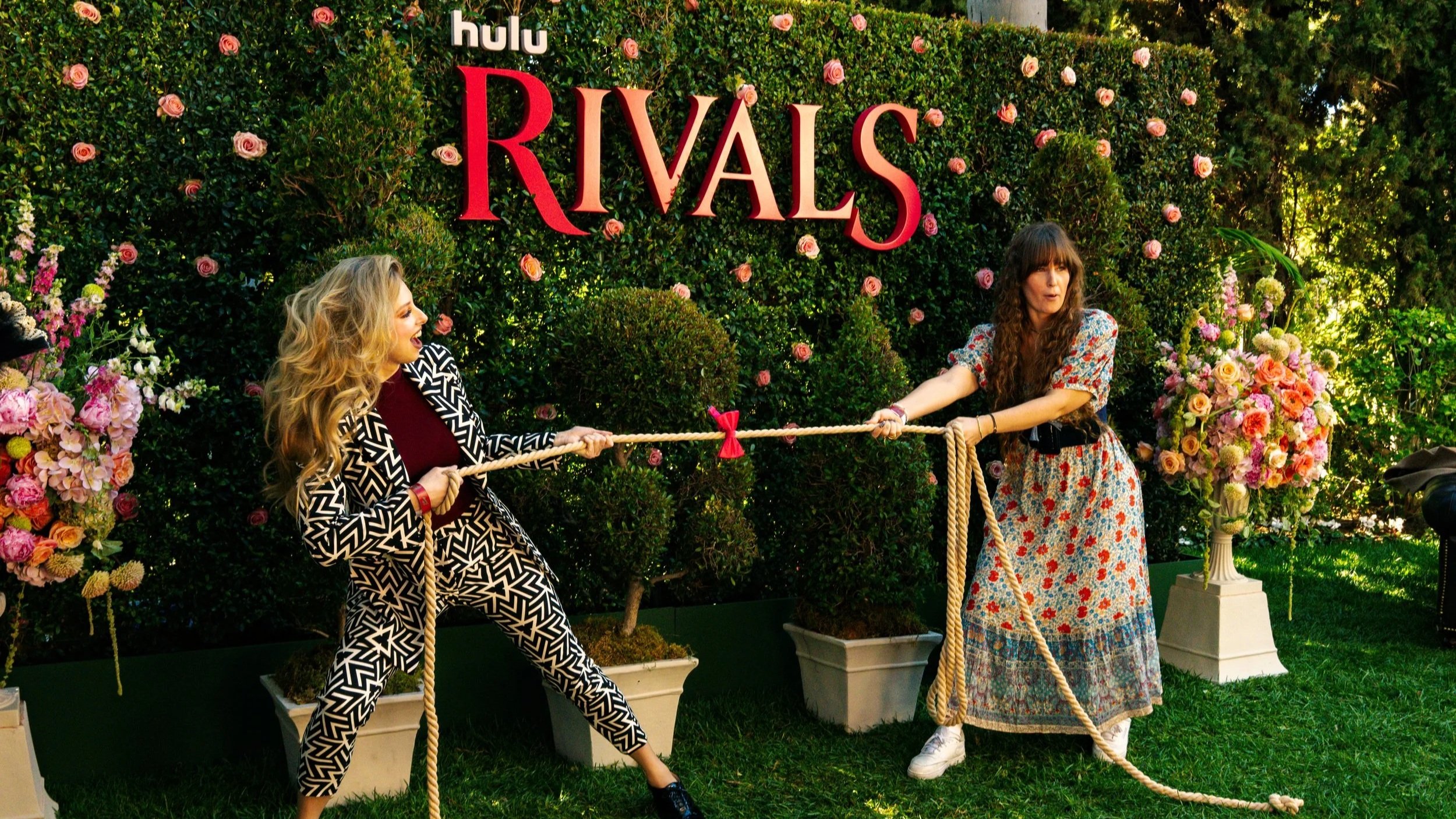
There is a unique kind of creative joy that comes from tapping into shared fandom. In Deloitte’s 2026 Digital Media Trends survey, 55% of US fans said their fandom often leads them to engage across platforms, from social media to live events. As more entertainment brands bring their stories into physical spaces, I think experience designers can learn a lot from the communities that have grown around them. Whether you’re working with a global hit or a title with a small, devoted following, it’s easy to overlook what brought those fans together in the first place. When audiences step inside a story, simply recreating a recognisable set isn’t enough to capture the magic of watching it and bathing in its fandom online.
The hardest elements to map into a physical footprint are the emotions and tensions you feel as you get drawn into a story and its characters. I love an ‘if you know, you know’ (IYKYK) Easter egg for the ‘did you notice that?’ moments it sparks between fans. I think about what that same moment offers someone who’s new to the story. If it’s fun in its own right, anyone can join in, and fans get the extra pleasure of spotting a detail they can talk about with each other. If you’re bringing an unreleased title to life, there’s a fine balance between building intrigue and giving too much of the plot away.
True adaptation requires striking a balance between universal accessibility and fan service, anchored by subliminal design. For me, it’s the details guests barely notice that bring them closest to the feeling the story creates on screen. It’s not enough to build in a blank warehouse and call it a day. The choice of venue, how we shape the room and what guests hear all work together to create that atmosphere. I also think about how I want guests to feel at different points in the experience. Just like a well-edited episode, a live experience needs deliberate narrative pacing. Building tension towards high-energy moments like a big reveal or talent integration can make the payoff feel bigger. The quieter beats give you room to surprise guests with details in spaces they’d normally walk past.
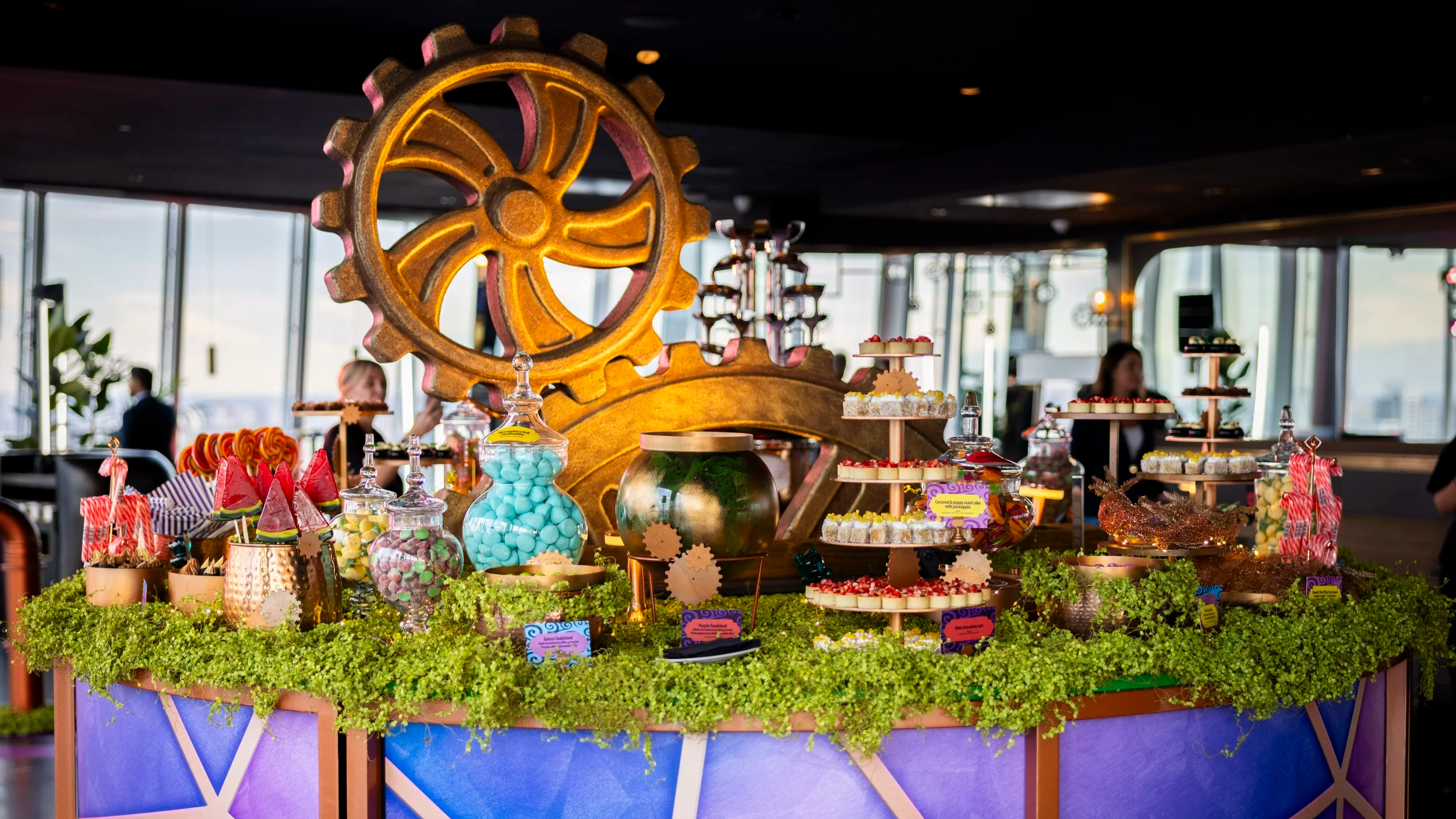
As a creative team, we always look for the emotional core that bridges the screen and the room. We talk about fandom all the time in B2C, and that emotional connection matters just as much in B2B because business audiences are consumers at heart too. At Brand Licensing Europe, we created an evening reception for Netflix that gave licensing partners a way into the worlds behind the products they’d come to see. For Charlie vs. The Chocolate Factory, that meant leaning into pure, tactile wonder. I loved seeing how one of our designers, Giorgia Golzio, made business professionals feel like kids in a candy shop. The giant factory cog at the centre of the dessert table caught your eye, as did the copper pipes that rose from the floor and gave you a glimpse of the chocolate factory on the London skyline. It was the more subtle details, from the sweet smell of the colourful chocolates shaped like birds’ eggs and toadstools to the swirls projected underfoot, that brought the film’s sense of wonder into the room.
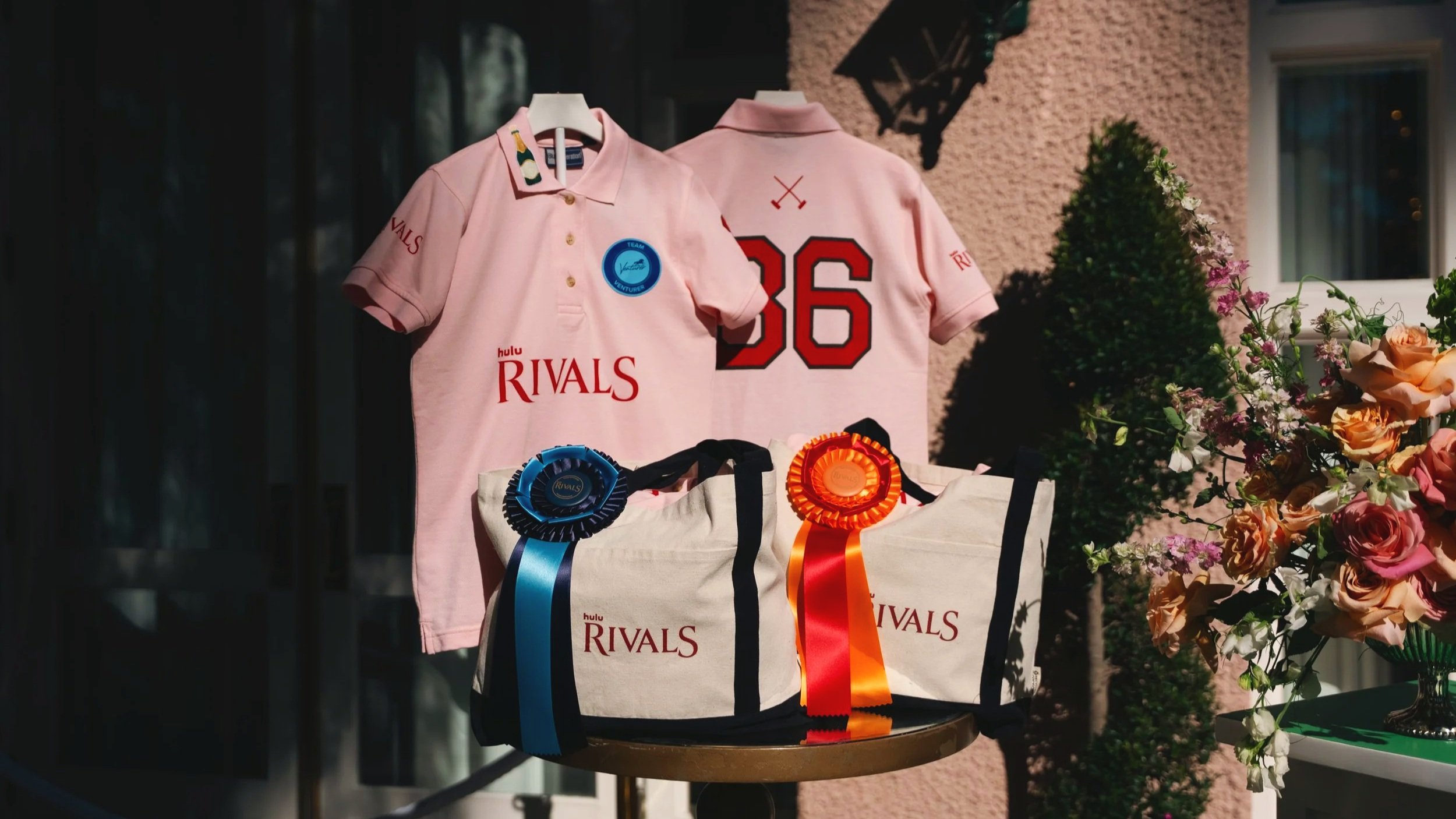
More recently, for our Rivals influencer experience in LA, the creative breakthrough came from distilling the show’s DNA down to a single, universally relatable theme: rivalry. We were promoting unreleased episodes of a distinctly British show to an American audience, so we wanted to draw guests in without giving away the plot. Everyone understands the fun of picking a side, so we gave guests a pledge board where they could declare their allegiance to one of the show’s rivals, Corinium or Venturer. At our ’80s-inspired garden party at The Beverly Hills Hotel, guests could also customise a polo shirt or compete in a game of croquet. Part of bringing a fictional world to life is giving guests the agency to decide how they fit into it.
If you’re an entertainment brand looking to create an experience for your fans, you have to understand how they think. As a creative team, we end up living and breathing the films and series we design experiences around, from watching them to immersing ourselves in their worlds online. To truly design for fans, I think you have to become a fan yourself.
Ultimately, bringing a fictional world to life through a temporary experience is about translating a feeling. What entertainment brands see as a title’s biggest selling point might not be what resonates most with its audience. It’s not about jumping on every trending song or dance, but listening to the online whispers and understanding what people connect over. That’s what fans will show up for and what makes screen entertainment worth bringing to life. When brands focus on atmosphere, pacing, and universal human emotions, they create live experiences that reward devoted fans while welcoming everyone else into the story.